

What Are ESG-Based Investments?
ESG investing, also known as sustainable investing or socially responsible investing, aims to align investment decisions with personal values and broader societal concerns. It represents a shift in investment practices towards a more sustainable and socially responsible future, considering environmental, social, and governance factors alongside financial performance to drive positive change.
The "E" in ESG stands for environmental factors. ESG investors seek to support businesses that prioritise sustainability, such as those working to reduce greenhouse gas emissions, conserve natural resources, and develop clean energy solutions.
The "S" stands for social factors. ESG investors recognise the importance of businesses that build positive social impact and help create a more equitable and inclusive world.
The "G" stands for governance factors. In recent years, the governance aspect of ESG investing has gained prominence, with increased scrutiny on issues like executive compensation, board diversity, and ethical conduct. Investors are demanding greater transparency and accountability from the companies they invest in.
ESG investing has experienced remarkable growth and is now moving from a niche practice to a systemic consideration, according to the 2024 Global Sustainable Investment Review. ESG-focused assets under management continue to grow as the asset and wealth management industry shifts towards more sustainable and inclusive investing. This growth is driven by several key trends:
- **Regulatory maturation**: Major frameworks are now in force—the EU's Sustainable Finance Disclosure Regulation (SFDR), the UK's Sustainability Disclosure Requirements (SDR), and the International Sustainability Standards Board (ISSB) standards are driving transparency and standardisation globally
- **Investor demand**: Individuals—particularly Millennials and Gen Z—are increasingly seeking investments that align with their values. Morgan Stanley's 2025 Sustainable Signals survey found that 84% of institutional investors globally expect sustainable allocations to increase over the next two years
- **Corporate adoption**: Companies are incorporating ESG factors into their strategies and reporting frameworks, resulting in more transparent disclosure and enabling better-informed investment decisions
Types of ESG Investments
There are several options available for investors across both the private and public markets.
Green Bonds
Green Bonds are fixed-income investments specifically designed to finance projects with a positive environmental impact. Examples include renewable energy projects, energy efficiency initiatives, and sustainable agriculture. Green bonds can be purchased through a broker or a crowdfunding platform. They provide a lower-risk option for those wanting to start investing in ESG, though they typically offer lower returns than traditional bonds.
Impact Investing Funds
Impact investing funds pool investments from multiple individuals to fund projects with a positive social or environmental impact. The funds can be focused on a particular sector—such as renewable energy or sustainable agriculture—or may be more broadly diversified. They provide a way to diversify ESG investments across multiple projects, though they may carry higher management fees and minimum investment thresholds.
Sustainable Equities
Sustainable equities are stocks of companies that prioritise ESG factors in their business practices. They provide a way to support aligned companies while potentially earning higher returns, though they remain subject to stock market risks and might not provide desired diversification benefits.
Community Investing
Community investing involves investing in local community projects that have a positive social or environmental impact. Examples include community solar projects, affordable housing developments, and small business loans. Opportunities can be found through crowdfunding platforms or local investment networks.
Why Invest in ESG?
The perception that ESG investing necessarily involves a trade-off with financial returns has shifted significantly. Morgan Stanley's 2025 Sustainable Signals survey found that 86% of asset owners plan to increase their sustainable allocations over the next two years, reflecting growing confidence in the financial case for ESG integration.
According to BNP Paribas's 2025 ESG Global Survey of 420 institutional investors representing $33.8 trillion in assets, the majority view ESG integration as additive to long-term portfolio performance rather than a drag on returns.
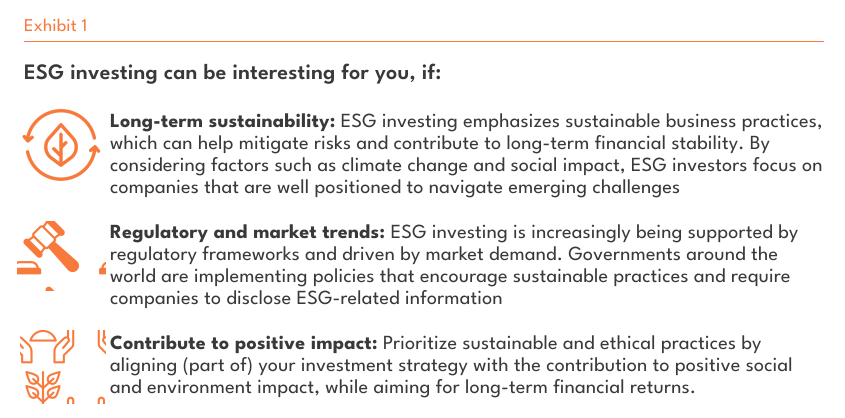
ESG investing can be interesting for you if:
- **You prioritise sustainable and ethical practices** while aiming for long-term financial returns
- **You want to align your investments with your personal values** and contribute to positive social and environmental impact
- **You seek to mitigate risks** associated with environmental, social, and governance factors that could affect the long-term performance of your portfolio
In addition, ESG-type investments often provide important portfolio diversification benefits. They can offer protection from detrimental ESG-related factors affecting your existing financial portfolio. Last but not least, ESG investments provide an opportunity to make a positive change and create positive externalities for everyone.
Common Sustainable Investment Strategies
Farmland Investing
Farmland investing has emerged as a compelling alternative investment option. Investing in farmland involves acquiring agricultural land to generate income or long-term appreciation. As an asset class, farmland offers several appealing characteristics:
- Relatively low correlation to traditional financial markets
- Potential inflation hedging benefits
- Potential for stable cash flows from agricultural production
The increasing global population and changing dietary preferences fuel the demand for food, making farmland an attractive long-term option. However, farmland investing requires expertise in agricultural operations, understanding regional dynamics, and managing risks associated with commodity price fluctuations and climate-related challenges.
Investing in Forestry
Investing in forestry involves acquiring and managing timberland properties with the intention of generating returns from sustainable timber production, carbon offset credits, and land appreciation. Forestry investments can diversify traditional portfolios, provide long-term cash flows, and contribute to natural resource conservation.
However, expertise in sustainable forest management and understanding of local regulations and certification standards is needed. Forest investments can carry significant cash flow risks relating to timber price volatility and uncertainty around carbon offset eligibility.
Renewable Energy Investments
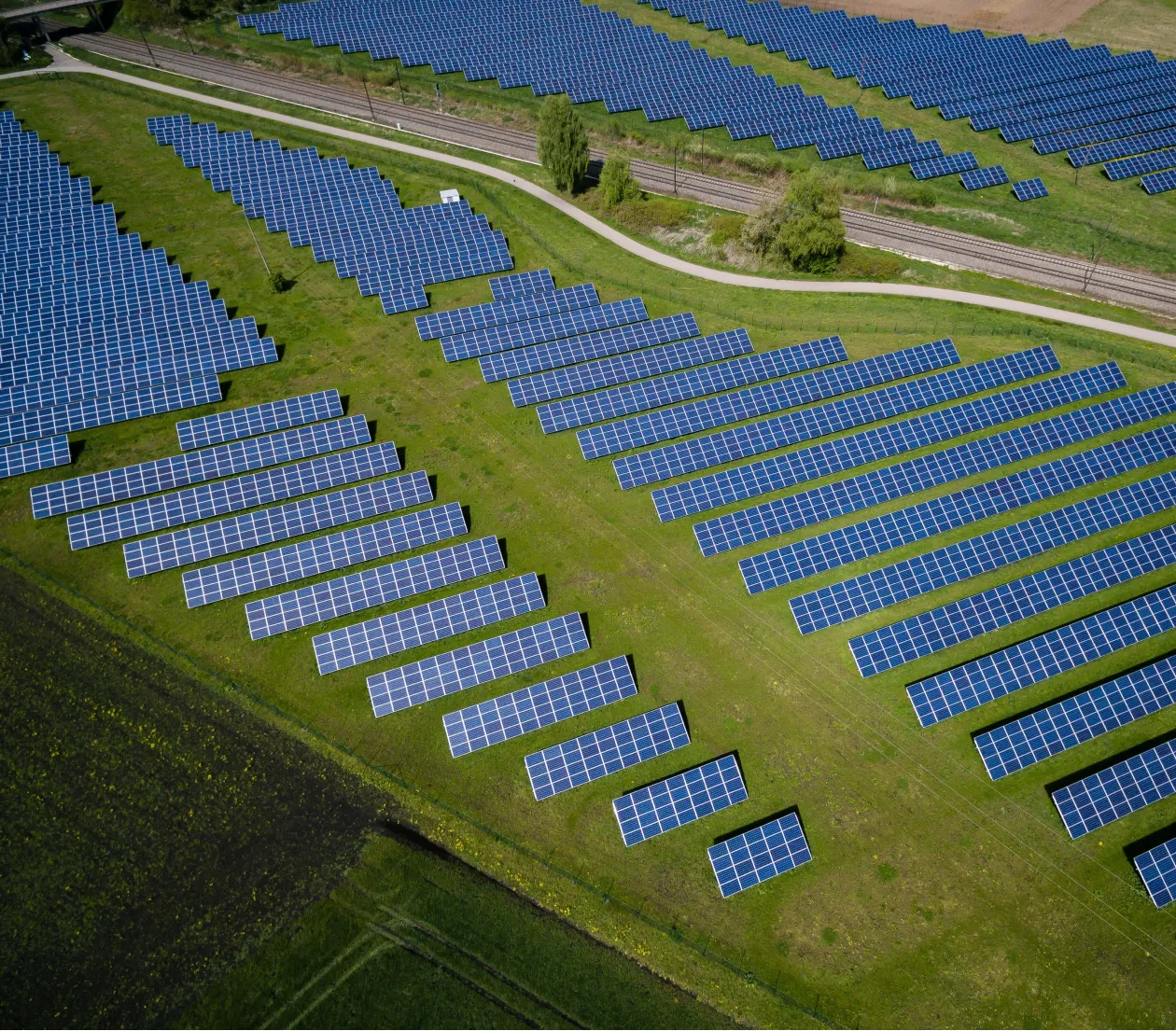
As the world transitions to a cleaner energy system, renewable energy investments have gained considerable momentum. This involves allocating capital to projects, assets, and companies involved in generating clean power from sources such as solar, wind, hydro, and geothermal energy.
Benefits include potential for stable long-term cash flows, reduced exposure to fossil fuel price volatility, and alignment with global climate efforts. However, careful consideration of regulatory frameworks, technological advancements, project scalability, and financing risks is required.
Risks and Criticisms
While ESG investing continues to grow globally, it faces a more complex set of criticisms and challenges. Understanding these risks is essential for any investor considering ESG allocations.
Greenwashing
A significant share of companies engage in greenwashing—exaggerating or misrepresenting their ESG commitments to attract ESG-focused investors without making substantial changes. In response, regulators have tightened rules: the EU's SFDR and the FCA's anti-greenwashing rule (in force since May 2024) now impose stricter requirements on sustainability claims. This makes thorough due diligence more important than ever—but also means the regulatory environment is improving.
Political Headwinds and the Anti-ESG Backlash
ESG investing has become politically contentious, particularly in the United States, where some states have introduced anti-ESG legislation restricting public pension funds from using ESG criteria. This backlash has led some firms to practise "greenhushing"—quietly maintaining ESG practices without publicly promoting them to avoid political scrutiny. However, despite these headwinds, the US SIF's 2025 Trends Report found that sustainable investing assets have held steady, and global institutional demand remains robust.
Subjectivity and Standardisation
ESG ratings and criteria can vary significantly between rating agencies and fund managers. What one provider considers a strong ESG performer, another may rate poorly. The adoption of ISSB standards (IFRS S1 and S2) is beginning to address this, but universal consistency remains a work in progress.
Performance Debate
The evidence on whether ESG integration enhances or hinders returns remains mixed. While the majority of institutional investors report positive outcomes, some studies find no significant difference, and critics argue that restricting the investment universe could limit diversification in certain market conditions.
Measurement Challenges
Quantifying social and environmental impact remains difficult. Unlike financial metrics, ESG outcomes are often qualitative and subjective, making it challenging to assess whether investments are truly delivering on their sustainability promises.
Investors need to conduct their own analysis to avoid falling for greenwashing or insincere promises of impact. Looking beyond marketing materials to examine the substance of ESG claims is essential for building a genuinely sustainable portfolio.
UK Providers
The UK market offers a growing selection of platforms and providers for ESG-focused investments. The regulatory landscape has matured significantly, with the FCA's Sustainability Disclosure Requirements (SDR) now in force—including the anti-greenwashing rule (effective May 2024) and fund labelling requirements (effective December 2024) that give investors clearer, more reliable information.
Key areas to explore include:
- **ESG-screened investment funds** offered by major UK fund managers, now subject to SDR labelling requirements
- **UK Green Gilts** — the UK government has issued multiple green gilt tranches since 2021, with proceeds allocated to clean transport, renewable energy, and climate adaptation
- **Impact investing platforms** focused on renewable energy and social housing
- **Sustainable equity indices** tracking ESG-compliant UK and global companies
The UK is also adopting the International Sustainability Standards Board (ISSB) framework through UK Sustainability Reporting Standards, which will further enhance corporate disclosure and make it easier for investors to evaluate sustainable investment options.
Coming soon: Detailed provider reviews and comparisons.