
Crowdcube
UK equity crowdfunding platform founded in 2011 by Darren Westlake and Luke Lang.
Other. does not receive payment when you visit a platform. Inclusion is not endorsement.
- £10
- Minimum investment
- £1.5B+
- AUM / raised
- 2011
- Launched
- UK & Europe
- Geography
- Yes
- Secondary market
- Equity
- Investment type
Crowdcube in ten seconds
Structured fields recorded the same way for every platform in the directory, so they can be compared like for like.
- Asset classes
- Venture Capital
- Investment type
- Equity
- FCA authorised · Directly authorised (FRN 650205) · FCA Register
- Operator
- Crowdcube Capital Limited · Co. no. 09095835
- Company status
- Active
- £10
- £1.5B+
- Founded
- 2011
- Geography
- UK & Europe
- Yes
- Operating status
- Active
- Last reviewed
- July 2026
- Website
- crowdcube.com
What is Crowdcube?
Crowdcube is an equity crowdfunding platform founded in 2011 by Darren Westlake and Luke Lang in Exeter, UK. It facilitates primary fundraising by private, unlisted companies and has raised over £1.5 billion cumulatively for more than 1,300 companies, reporting a community of over 1.7 million registered members.
Crowdcube Capital Limited is directly authorised by the Financial Conduct Authority (FCA) to operate as a Public Offer Platform (POP) under the post-POATR framework. Investors should verify current permissions on the FCA Register or Firm Checker.
How does Crowdcube work?
Companies apply to list fundraising campaigns (pitches) and must pass Crowdcube's due diligence checks before going live; the platform publishes a Due Diligence Charter describing those checks. Fundraising campaigns are time-limited and typically operate on an 'all-or-nothing' basis — funds are only taken if the campaign reaches its target.
Investors pledge from small minimums (commonly £10) and, on a successful raise, Crowdcube manages legal completion, often using a nominee structure to hold shares on behalf of investors. This simplifies the issuer's shareholder register but means investors hold beneficial rather than direct legal title in most cases.
What does Crowdcube offer?
Crowdcube's primary offering is equity in unlisted companies (shares) and, occasionally, mini-bonds (debt instruments). Some pitches state eligibility for tax reliefs such as EIS/SEIS on a case-by-case basis; investors should check each pitch for tax status.
Crowdcube facilitates secondary share sales (e.g., Direct Community Offers) and has announced a partnership with the London Stock Exchange on the PISCES private market initiative, intended to provide intermittent auction-based trading for private securities. These are enhancements to liquidity but do not guarantee an exit or market pricing.
Publicly stated investor fees are an investment fee of 2.49% on successful investments (capped at £250) and a 5% fee on profits realised on exits or approved secondary sales. Businesses pay listing, success, platform and nominee fees.
Who is Crowdcube for?
Crowdcube is aimed at retail investors who are 'sufficiently sophisticated' to accept the high risks of investing in early-stage and private companies. Investors must self-certify their status where required and confirm understanding of risks such as illiquidity, potential total loss, and dilution.
The low advertised minimum (commonly £10) widens access, but these investments are high risk and generally suitable only as a small part of a diversified portfolio. Investments are not covered by the Financial Services Compensation Scheme (FSCS) if the underlying company fails. Investors should seek independent financial and tax advice as necessary.
Investor Returns & Track Record
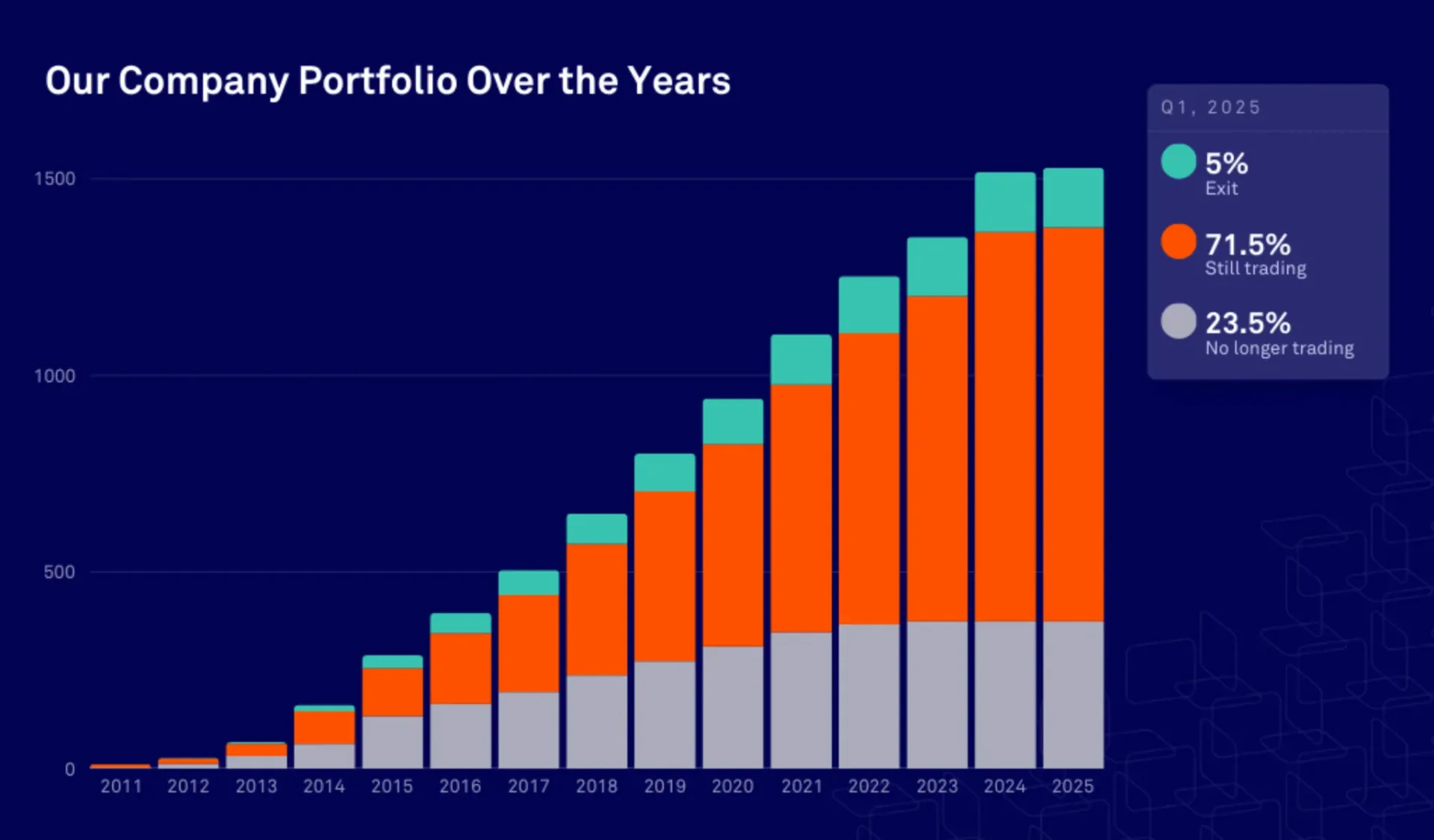
Crowdcube is one of the few equity crowdfunding platforms to publish aggregate portfolio outcome data. As of Q1 2025, the platform reports the following breakdown of all companies that have raised on Crowdcube:
- 5% — Exited (acquisition, IPO, or secondary sale)
- 71.5% — Still trading
- 23.5% — No longer trading (ceased operations)
Crowdcube reports that over £201 million has been returned to investors through exits, secondaries, and acquisitions, across more than 163,000 individual investments made by its community.
Notable Exits
- Nutmeg — acquired by JP Morgan Chase; reported ~2.3x return for Crowdcube investors
- Mindful Chef — acquired by Nestlé; reported ~3.5x return
- PodPoint — acquired by EDF Energy; valued at over £100 million at exit
- Camden Town Brewery — acquired by AB InBev; reported ~2x return
- E-Car Club — acquired by Europcar; reported ~3x return
- Mr & Mrs Smith — acquired by Hyatt Hotels
- GoHenry — acquired by Acorns
- ME+EM — investment from Highland Europe
Important caveats: These figures represent portfolio-level outcomes, not individual investor returns. The 5% exit rate reflects all companies that have ever raised on the platform — many of the 71.5% still trading are early-stage and may yet fail. The £201m returned figure includes partial exits and secondary sales, not just full acquisitions. Past performance is not a reliable indicator of future results. Survivorship bias applies: the most visible success stories do not represent the typical outcome for equity crowdfunding investments.
Nominee Structure (June 2026 Update)
In June 2026, Crowdcube published fresh scale data on its Nominee Structure, the vehicle it uses to hold shares on behalf of retail investors. The Nominee now holds £1.3 billion in securities across 979 companies, with approximately 450,000 investors from over 100 countries participating (source: Crowdfund Insider, June 2026).
Crowdcube reports that the aggregate value of securities held in the Nominee has grown at approximately 40% per year since 2018, which the platform contrasts with roughly 29% growth for European venture capital markets over the same period. These are platform-reported figures based on latest funding round valuations, not realised cash returns, and should be treated as indicative rather than audited performance data.
How the Nominee works: rather than each retail investor appearing individually on an issuer's cap table, Crowdcube's nominee company holds the legal title while investors retain beneficial ownership. This consolidates hundreds or thousands of small shareholdings into a single line, which issuers generally prefer when raising follow-on capital or negotiating exits. Shares can still be traded through Crowdcube's secondary mechanisms (Direct Community Offers and the planned PISCES venue).
Crowdcube states that over £210 million has been returned to investors through the Nominee since inception via exits, secondaries and acquisitions — a slight uplift from the £201m figure reported earlier in 2025.
Trade-offs to understand: beneficial (rather than direct legal) ownership means investors typically rely on the nominee to exercise voting rights, receive communications and process any distributions. In practice this is standard for pooled retail investment, but it does add a layer between the investor and the underlying company. Investors should read the specific nominee terms for each pitch.
What stands out, and what to weigh against it
Strengths:
- Market position and track record: Operating since 2011 and having facilitated over £1.5bn of raises provides a long-running record of platform operations and deal flow. Experience can indicate process maturity and a broad deal pipeline, but it is not a guarantee of investor returns.
- Regulatory authorisation: Direct FCA authorisation as a Public Offer Platform means Crowdcube is regulated and subject to FCA rules for crowdfunding platforms — this gives investors regulatory oversight of the platform's conduct, but not FSCS protection for the underlying investments.
- Greater liquidity options: Secondary offerings and the LSE PISCES partnership aim to improve potential exit routes for investors. However, these routes are not equivalent to public market liquidity and availability depends on issuer participation and market demand.
Key risks:
- High probability of total loss: Early-stage equity investments carry a high failure rate; investors must be prepared to lose their entire investment and should size exposures accordingly.
- Illiquidity and uncertain exits: Secondary and PISCES channels are enhancements but do not create guaranteed, timely exits — timing and price are uncertain.
- Due diligence limits: Crowdcube conducts pre-listing checks, but these do not eliminate issuer risk. Historical dispute cases and consumer complaints show platform checks can miss issues that emerge later — investors must perform their own due diligence.
- No FSCS protection: Investments in unlisted shares and mini-bonds are not covered by the Financial Services Compensation Scheme (FSCS).
This is Other.'s editorial assessment based on the information reviewed. It is not a recommendation.
Before you go further
Points we would verify against the platform's current documents rather than take from this page.
- Regulatory record
No FCA enforcement actions or public regulatory sanctions against Crowdcube are cited in available sources. The platform is directly authorised to operate as a POP. Investors should nevertheless monitor the FCA Register for changes.
- Ombudsman and complaint history
The Financial Ombudsman Service has considered complaints involving investments placed through Crowdcube; in one cited case (DRN-2483181) the FOS did not uphold the complaint and found Crowdcube's pre-listing checks reasonable based on the information then available.
- Transparency concerns
Some reviewers allege issues such as removal of forum content or inconsistent reporting of fundraising totals. The absence of consolidated historical investor-return statistics means potential investors cannot review aggregated performance data — without portfolio-level data, it is harder to estimate expected long-term outcomes.
- Reviews are mixed
Large-volume review sites show strong ratings while smaller platforms contain more negative reports; investor experience can vary and reviews alone are an imperfect guide to platform quality.
Sources and methodology
- Last reviewed
- July 2026
- Sources
- Crowdcube, FCA Register, Good Money Guide, Finextra, CrowdInform, Oriel IPO, Harper James, InvestPlatforms, ScaleUp Institute, Financial IT, Crowdfund Insider (June 2026 Nominee update), Fintech Magazine, The Fintech Times, Smart Money People, DacxiChain, LenderKit, The Pitch, Nesta, UK Tech News, Wikipedia, Evening Standard, Skyted, Trustpilot
- Methodology
- How we research platforms →
Editorial research, not financial advice. See the full disclaimer in the site footer. Are you the owner of Crowdcube or representing the company? To submit an addition, clarification or correction, get in touch or use our contact form.
Visit the platform to review current opportunities and terms.
You will leave Other. Read the offer document and check the FCA register entry before investing.
Crowdcube vs other Venture Capital platforms
| Crowdcube | Prospedia Capital | Republic Europe (formerly Seedrs) | Crowd2Fund | |
|---|---|---|---|---|
| Minimum | £10 | N/A | £10 | £250 |
| FCA status | FCA authorised | Formerly FCA authorised | FCA authorised | FCA authorised |
| Structure | Equity | Equity | Equity, Convertibles | Debt, Equity |
| Secondary market | Yes | No | Yes | No |
| Founded | 2011 | 2020 | 2012 | 2014 |
| Geography | UK & Europe | UK | UK & Europe | UK |
- What is the minimum investment on Crowdcube?
- Crowdcube's minimum investment is £10.
- Is Crowdcube regulated by the FCA?
- Yes. The FCA Register lists it as: Directly authorised (FRN 650205).
- Does Crowdcube offer a secondary market?
- Yes, Crowdcube offers a secondary market for existing investors to sell holdings before maturity.